Industrial vs Automotive Lubricants: What’s the Difference?
Industrial vs Automotive Lubricants: What’s the Difference?
Although industrial and automotive lubricants both reduce friction and wear, they are engineered for completely different operating environments. Choosing the wrong type can reduce performance, damage equipment and even invalidate warranties.
Understanding the difference between industrial and automotive lubricants is essential for workshops, fleet operators and manufacturers across the UK.
What Are Industrial Lubricants?
Industrial lubricants are designed for machinery operating in:
-
Continuous production environments
-
High-load systems
-
Hydraulic circuits
-
Gearboxes and compressors
-
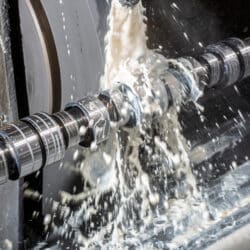
Metalworking applications
Examples include:
These lubricants prioritise long-term thermal stability, water separation, anti-wear protection and oxidation resistance.
What Are Automotive Lubricants?
Automotive lubricants are formulated for vehicles such as:
They include:
Automotive oils focus heavily on fuel efficiency, emissions compliance and detergent performance to protect engines under stop-start driving conditions.
Why You Shouldn’t Interchange Them
Using engine oil in industrial hydraulic systems (or vice versa) can cause:
-
Seal incompatibility
-
Additive imbalance
-
Increased wear
-
Reduced efficiency
OEM-approved lubricants are essential for both industrial machinery and commercial vehicles.
Expert Lubrication Advice
Kernow Oils supplies both industrial lubricants and commercial vehicle oils across the UK, with tailored product recommendations to suit your machinery and operating conditions.
 March 20, 2026