Reduce Downtime with Preventative Lubrication | UK Guide
Reducing Downtime Through Preventative Lubrication
Unplanned downtime is one of the most expensive problems facing industrial businesses. In many cases, equipment failure is directly linked to poor lubrication practices.
Preventative lubrication is a proactive strategy designed to maintain optimal machine performance, extend equipment life and reduce unexpected breakdowns.
Why Lubrication Failures Occur
Common causes include:
-
Using incorrect oil viscosity
-
Contaminated lubricants
-
Infrequent oil changes
-
Poor storage practices
-
Lack of fluid monitoring
Even minor lubrication issues can lead to overheating, metal-to-metal contact and accelerated wear.
Key Preventative Lubrication Strategies
1. Correct Lubricant Selection
Always follow OEM specifications and ensure the lubricant suits operating temperature and load conditions.
2. Regular Oil Analysis
Routine oil testing detects:
-
Water ingress
-
Particle contamination
-
Additive depletion
-
Oxidation
Fluid condition monitoring helps prevent catastrophic failures.
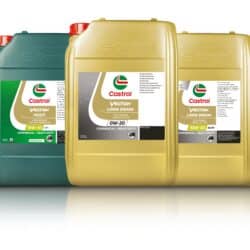
3. Proper Storage & Handling
Lubricants should be stored:
-
In temperature-controlled environments
-
Away from moisture
-
In sealed, clearly labelled containers
Poor storage can contaminate oil before it even reaches machinery.
4. Scheduled Maintenance Plans
A structured lubrication schedule ensures:
-
Timely re-lubrication
-
Consistent inspection
-
Reduced emergency repairs
Preventative lubrication transforms maintenance from reactive to strategic.
The Business Impact
Effective lubrication management can:
-
Reduce downtime by up to 30%
-
Extend equipment life
-
Lower overall maintenance costs
-
Improve energy efficiency
For UK manufacturers, workshops and fleets, this creates measurable operational savings.
Support from Kernow Oils
Kernow Oils provides industrial lubricants, technical advice and fluid monitoring services to help businesses reduce downtime and improve reliability.
 April 27, 2026