Automatic Bar Feeder Oil & CNC Bar Feeders: A Complete Guide
Automatic Bar Feeder Oil & CNC Bar Feeders: A Complete Guide
In modern CNC machining, automation plays a critical role in maximising throughput, reducing downtime and improving precision. Many workshops and manufacturers use automatic bar feeder systems to keep material flowing into CNC lathes without interruption — and the type of oil used in these systems can significantly impact performance, longevity and cost-effectiveness.
This guide explains what automatic bar feeder systems are, why specialised automatic bar feeder oil is essential, and how both contribute to higher productivity and lower maintenance in CNC operations.
What Is an Automatic Bar Feeder?
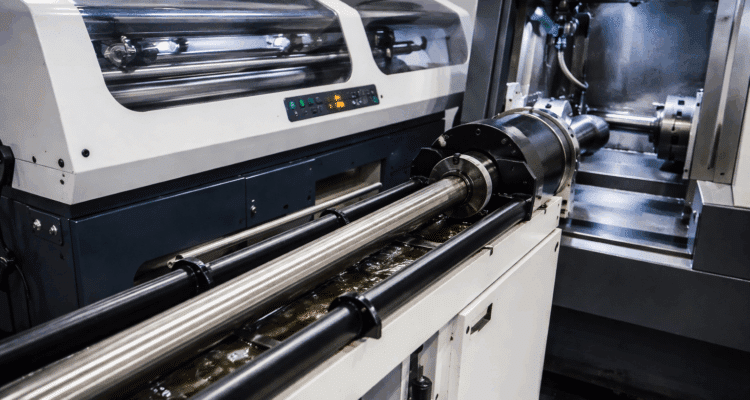
An automatic bar feeder is a device that supplies bar stock — typically metal bars — into a CNC lathe or turning centre for continuous machining. Instead of manually loading each bar, the bar feeder automatically pushes material into the machine’s spindle, allowing for unattended operation and higher production volumes.
Bar feeders are used extensively in high-volume and lights-out manufacturing environments where continuous operation is important. They support a range of bar diameters and lengths and reduce the need for constant operator intervention.
How Automatic Bar Feeders Work
Bar feeder systems typically consist of:
-
A material magazine or rack holding multiple bars
-
A guide tube that aligns the bar with the CNC spindle
-
A pusher mechanism to advance the bar stock
-
Safety sensors and controls to synchronise feeding with the CNC program
In operation, the bar feeder feeds stock into the machine automatically in precise increments to match the machining sequence, minimising idle time and maximising spindle utilisation.
Types of Bar Feeders
Bar feeders vary in design:
Oil Bath / Oil Film Feeders
These use a film of oil to support and guide the bar surface, reducing friction as it enters the machine.
Servo / Electric Feeders
Servo-driven feeders offer high precision, adaptability and lower maintenance costs compared to traditional oil bath systems, making them suitable for demanding, high-precision machining.
Pneumatic Feeders
More economical but typically lower in precision, pneumatic bar feeders are used where speeds and tolerances are less critical.
Why Automatic Bar Feeder Oil Matters
While the bar feeder itself automates material loading, the lubrication within the feeder and associated components significantly impacts efficiency and wear rates.
1. Reduces Friction and Prevents Stick-Slip
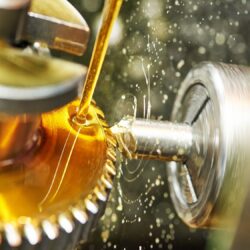
Bar feeder oil is formulated to reduce surface friction between moving parts and reduce stick-slip motion — the jerky start-stop behaviour that can negatively affect machining accuracy and surface finish.
2. Protects Components from Wear and Corrosion
Moving parts like slideways, pusher rods and guide tubes can experience high levels of friction and even corrosion in humid or contaminated environments. Bar feeder oil’s advanced anti-wear and rust-inhibiting additives create a protective film that extends the life of these components, reducing unplanned maintenance and downtime.
3. Withstands High Speeds and Thermal Stress
CNC machines often operate at high spindles speeds, generating heat that can degrade ordinary lubricants. Bar feeder oil is engineered to maintain viscosity and lubricity at high temperatures, ensuring optimal performance under continuous operation.
4. Minimises Foam for Consistent Feeding
Foaming can interrupt oil films and reduce lubrication effectiveness. Low-foam automatic bar feeder oils ensure consistent performance even during rapid or prolonged cycles, which is particularly important for high-speed CNC applications.
Benefits of Using Automatic Bar Feeders
Integrating an automatic bar feeder with your CNC machines delivers several measurable benefits:
Higher Throughput
By automating material feeding, machining cycles run more efficiently with fewer stops — ideal for high-volume jobs.
Improved Machining Accuracy
A consistent, automated feed reduces human error and variation, leading to tighter tolerances and better surface finishes.
Reduced Labour Costs
Less manual handling means operators can focus on programming, inspection and high-value tasks.
Support for Lights-Out Manufacturing
Bar feeders enable unattended or overnight machining, maximising productivity without increasing labour.
Selecting the Right Automatic Bar Feeder Oil
When choosing automatic bar feeder oil for CNC applications, consider the following:
-
Viscosity: Ensure the oil’s viscosity is suited to your feeder design and ambient conditions.
-
Additive Package: Look for anti-wear, anti-rust and thermal-stability additives for longer service life.
-
Compatibility: Choose an oil that works well with both feeder components and machine slideways if dual lubrication is needed.
As well as offering an extensive range of industrial oils and lubricants, Kernow Oils also provides supporting services to the industrial sector, including, but not limited to, CNC coolant and fluid monitoring services through our CoolantCare and fluid testing services.
Maintenance Best Practices
Even with specialised bar feeder oil, regular maintenance boosts system reliability:
✔ Monitor oil condition and change before contamination or oxidation reduces effectiveness
✔ Keep guide tubes and pusher elements clean
✔ Check sensors and safety interlocks to ensure seamless CNC integration
Conclusion — Automation and Lubrication for Modern CNC Shops
Automatic bar feeders combined with premium bar feeder oil are essential for CNC shops aiming to improve productivity, reduce costs and maintain high precision — especially in high-speed or lights-out operations.
Using the right lubricant in your feeder system extends equipment life, reduces downtime, and supports consistent performance. Whether you’re running high-volume production, complex parts or mixed batch sizes, automation combined with proper lubrication helps unlock the full potential of your CNC machines.
Take Action
For expert advice on selecting automatic bar feeder oil and other industrial lubricants for CNC operations, contact Kernow Oils. We supply a range of specialised oils and technical support tailored to UK manufacturing needs.
 July 20, 2026